
Perimeters That Define Property Lines Clearly
Fence Washing in Valparaiso for wood, vinyl, and composite fencing affected by algae, environmental staining, and accumulated dirt
Fences accumulate dirt, algae, mold, and atmospheric pollution that darken vertical surfaces and create streaked, uneven coloring across panels. Wood fences develop mildew in shaded sections, vinyl fencing shows green algae growth along bottom rails, and composite materials lose color uniformity as organic staining takes hold. This service removes those contaminants from all fence types, improving curb appeal and extending material life by eliminating the moisture-holding layer that accelerates rot and degradation. PTM Pressure Washing provides fence washing for residential and commercial properties in Valparaiso where perimeter structures need cleaning to restore their original appearance and function.
The cleaning process adjusts based on fence material—wood requires controlled pressure to avoid grain damage, vinyl tolerates more aggressive treatment, and composite needs careful handling to preserve surface texture. Each material responds differently to cleaning solutions and water pressure, and improper technique can leave lasting damage that shortens fence life or creates a worse appearance than before treatment.
Request a detailed estimate based on fence length, material type, and the extent of staining present along your property's perimeter.
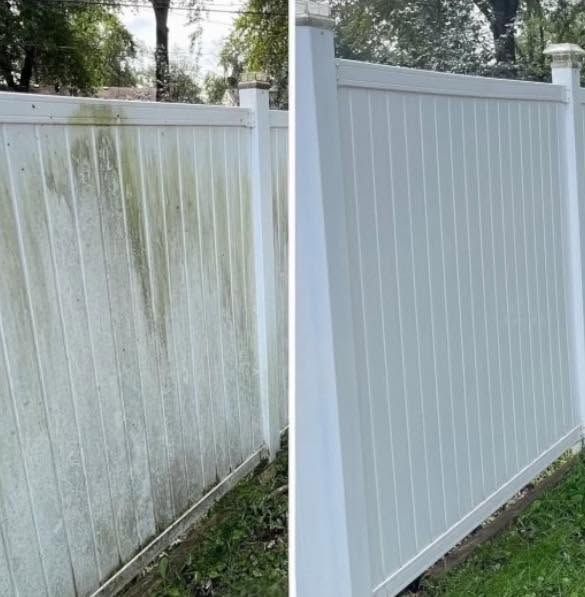
Why Fence Surfaces Respond to Regular Cleaning
Fence washing removes organic growth, embedded dirt, and environmental staining using cleaning agents that break down algae and mold followed by controlled rinsing that lifts contaminants without harming the underlying material. Technicians work section by section, treating both sides of the fence when accessible and paying attention to areas near soil lines where moisture exposure creates the heaviest organic buildup. The approach varies depending on whether the fence faces direct sun or remains shaded by trees and structures, since shaded sections develop more aggressive mildew growth that requires stronger treatment.
Once cleaning is complete, fence panels show uniform color without dark streaks, green algae shadows, or the gray weathering that develops on untreated wood. Wood fencing reveals the natural grain pattern beneath accumulated grime, vinyl returns to its original white or tan finish without the dingy appearance caused by environmental staining, and composite materials lose the mottled discoloration that forms from uneven organic growth. The property line becomes clearly defined again, and the fence stops detracting from overall curb appeal.
Regular fence cleaning extends material life by removing the organic layer that traps moisture against wood and accelerates rot, and by preventing staining that becomes harder to remove the longer it remains untreated. Fences near tree canopy or irrigated lawn areas typically require more frequent service than those in open, dry locations, and bundling fence washing with other exterior cleaning services provides efficiency for properties needing comprehensive maintenance.
Answers to Frequent Service Questions
Fence cleaning needs differ based on material type, exposure to weather and organic debris, and how long contaminants have been accumulating without treatment.
What's the best time of year to clean fencing?
Spring and fall provide ideal conditions—spring cleaning removes winter grime and prepares wood for staining, while fall service clears organic buildup before winter moisture accelerates mold growth, though urgent staining or aesthetic needs may warrant cleaning outside those windows.
How does fence washing differ across wood, vinyl, and composite?
Wood requires lower pressure to avoid splintering and follows grain direction during washing, vinyl tolerates higher pressure and benefits from degreasing agents that lift embedded dirt, and composite needs moderate pressure to clean without scratching the protective cap layer present on quality boards.
Will cleaning remove all staining from fence surfaces?
Fresh algae and mildew typically lift completely, but deeply embedded stains on porous wood or long-term discoloration on vinyl may leave faint shadows, and severely weathered wood sometimes requires additional brightening treatments beyond standard washing to restore original color.
Can fence washing be combined with other exterior services?
Yes, and bundling fence cleaning with deck washing, gutter cleaning, or driveway treatment provides efficiency by addressing multiple surfaces during a single service visit, reducing overall cost and ensuring consistent appearance across all exterior property features.
How often should fencing be professionally cleaned in this area?
Most residential fences benefit from annual cleaning, but properties with heavy tree coverage, high shade exposure, or proximity to irrigation systems may need service twice yearly to prevent organic buildup from becoming embedded and difficult to remove without aggressive methods that risk material damage.
PTM Pressure Washing handles fence cleaning for properties where algae, mold, and environmental staining have diminished the appearance and structural integrity of wood, vinyl, and composite perimeter fencing. Arrange an evaluation to review your fence material and discuss the cleaning schedule that maintains consistent appearance and extends fence life based on current conditions.